

What Is VO₂ Max—and Should I Bring Back My Weekly HIIT Class?
By Kim Cagna on 15 August 2026
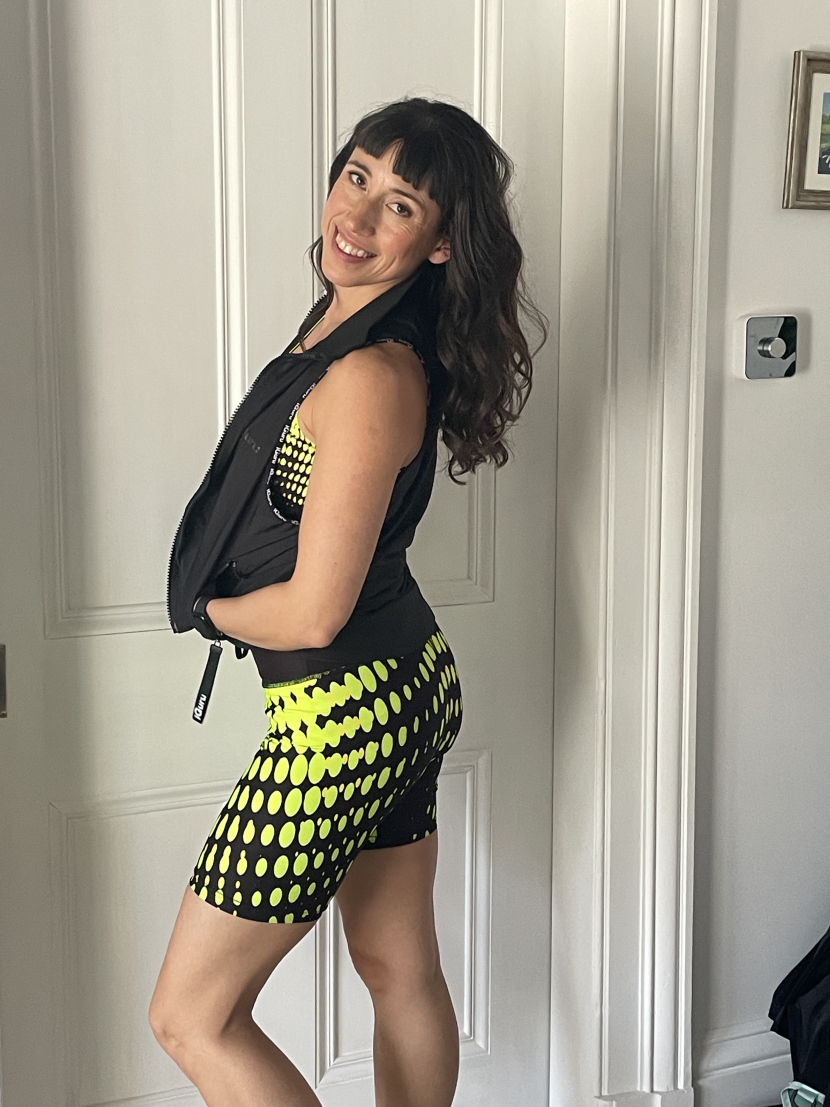
What Is VO₂ Max—and Should I Bring Back My Weekly HIIT Class?
Recently, one of my clients told me that his VO₂ max had gone down since I stopped teaching my weekly HIIT class.
Interestingly, I have noticed the same thing myself. Since changing my own training to include more weight-based workouts and less regular HIIT, the VO₂ max estimate on my watch has fallen too.
I still teach a HIIT class approximately once every four weeks—but has that been enough to maintain our cardiovascular fitness?
What is VO₂ max?
VO₂ max is the maximum amount of oxygen your body can take in and use during intense exercise.
“V” stands for volume, “O₂” means oxygen and “max” refers to the maximum amount your body can use.
When we exercise, our heart and lungs deliver oxygen to our working muscles. The muscles use that oxygen to help produce energy. The more efficiently this system works, the better our cardiorespiratory—or aerobic—fitness tends to be.
VO₂ max is usually expressed as millilitres of oxygen used per kilogram of body weight per minute: ml/kg/min.
In simple terms, it is a measure of how well your heart, lungs, circulation and muscles work together when exercise becomes demanding.
Why is VO₂ max important?
A higher VO₂ max can make physical activity feel easier. It may help you:
- Walk uphill or climb stairs without becoming as breathless
- Run, cycle or attend fitness classes for longer
- Recover more quickly between challenging exercises
- Cope better with the physical demands of everyday life
- Maintain independence and physical capacity as you get older
Cardiorespiratory fitness is also an important marker of overall health. However, VO₂ max is only one piece of the fitness puzzle. Strength, balance, mobility and muscular endurance are important too—which is why resistance training should not be pushed aside in favour of cardio.
The World Health Organization recommends that adults include both aerobic activity and muscle-strengthening exercise during the week. The aim is not to choose between cardio and strength, but to create a balance between the two.
Why might our VO₂ max have fallen?
Our bodies adapt to the demands we regularly place upon them.
Strength training encourages improvements in muscular strength, muscle tissue and bone health. Aerobic and interval training challenge the heart, lungs and muscles in a different way.
If we remove or substantially reduce a particular type of training, some of the adaptations associated with it can gradually decline. Therefore, it is entirely possible that doing less vigorous cardiovascular exercise has contributed to the changes my client and I have noticed.
One HIIT class every four weeks may provide a useful challenge, but it is unlikely to offer the same consistent aerobic stimulus as a weekly session—particularly if we are not doing much other vigorous cardio.
That doesn’t mean our weight training has been a mistake. Far from it! It simply suggests that we may benefit from adding some regular cardiovascular work alongside it.
A word about fitness watches
Many people discover their VO₂ max through a smartwatch or fitness tracker. These devices do not normally conduct a true laboratory VO₂ max test. Instead, they estimate it using information such as heart rate, pace, movement, age, sex, height and weight.
For example, an Apple Watch calculates its cardio-fitness estimate during suitable outdoor walks, runs and hikes.
The number can be useful for spotting a general trend, but it is not a perfect weekly scorecard. Heat, hills, tiredness, illness, medication, inaccurate personal information and the type of activities being recorded may all influence it.
Look at the pattern over several weeks or months rather than worrying about one isolated reading.
You might also notice changes in real life: Are hills becoming harder? Are you more breathless during classes? Does your heart rate recover more slowly? These clues can be just as useful as a number on a screen.
Is HIIT the best way to improve VO₂ max?
HIIT stands for high-intensity interval training. It involves alternating challenging periods of exercise with easier recovery periods.
Research shows that HIIT can be a time-efficient way to improve VO₂ max. However, it is not the only way.
Steady activities such as brisk walking, jogging, swimming or cycling can also improve cardiovascular fitness—particularly when completed consistently. In fact, research indicates that aerobic training across different intensities can improve VO₂ max.
HIIT does not need to mean burpees, maximal sprints or pushing yourself until you feel unwell. Intensity is personal. For one person, a challenging interval might be a fast run; for another, it could be a purposeful uphill walk, energetic march or low-impact movement.
A well-designed class should offer choices so that everyone can find a level that feels challenging but manageable.
So, should I bring back my weekly HIIT class?
I am seriously considering it!
A weekly interval session could provide the cardiovascular challenge that may be missing from our current routines while complementing the strength work we already do.
The best all-round programme would ideally include:
- Regular moderate aerobic activity
- An appropriate amount of more vigorous exercise
- Strength training at least twice a week
- Balance, mobility and recovery work
- Activities that you genuinely enjoy and can sustain
I may even give the weekly class an eight-to-twelve-week trial and see what happens—not only to our watch estimates, but also to how we feel during exercise and everyday life.
Ultimately, this experience has reminded me that fitness is wonderfully specific. If we train strength, we become stronger. If we regularly challenge our aerobic system, it becomes more efficient.
Perhaps the answer is not cardio or weights.
It is finding space and time for both.
Would you like to see a weekly interval class return to the Jump Edinburgh timetable? Let me know—I would love to hear what you think!
If you are new to vigorous exercise, returning after a break, or have a medical condition, choose an appropriate intensity and seek medical advice where necessary.
Let's Get Fit Together!
Latest Blog Posts
- Best Exercise for Perimenopause and Menopause: What Really Helps? 13 September 2026
- What Is VO₂ Max—and Should I Bring Back My Weekly HIIT Class? 15 August 2026
- Senior Fitness Edinburgh | It's Never Too Late to Exercise 27 July 2026
Useful Links
2026 © All Rights Reserved. Powered by V-Healthy. Privacy Policy | Terms of Service