

Best Exercise for Perimenopause and Menopause: What Really Helps?
By Kim Sibbald on 13 September 2026
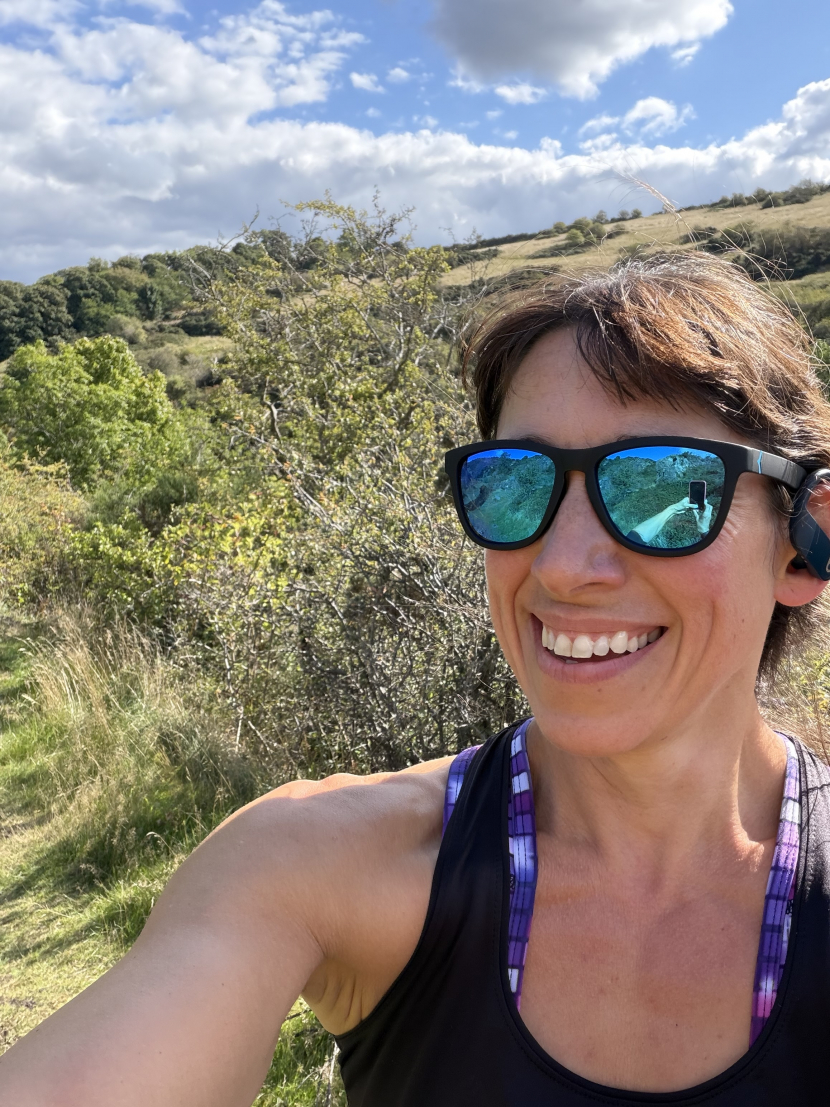
Best Exercise for Perimenopause and Menopause: What really helps?
If exercise suddenly feels different in your 40s or 50s, you are not imagining it.
Perhaps you feel more tired, your joints are stiffer, your sleep is unpredictable or workouts take longer to recover from. You may also notice that your body shape is changing even though your routine has not. Perimenopause can bring hot flushes, disturbed sleep, low mood, anxiety, brain fog, joint pain and changes in weight or fat distribution. And all of that can affect how willing and able you feel to exercise.
The good news is that movement can be one of your most useful tools during perimenopause and after menopause. It supports your muscles, bones, heart, mood, sleep, balance and confidence. It does not need to be punishing, and there is no single “menopause workout” that everybody must follow.
Below, I answer the questions women most ask about menopause and exercise.
What is the best exercise for perimenopause and menopause?
The best approach is a mixture of:
-
Strength training to maintain and build muscle and help protect your bones
-
Weight-bearing activity such as brisk walking, dancing, jogging or aerobics to support bone health
-
Cardiovascular exercise to look after your heart, lungs and stamina
-
Balance and mobility work to help you move confidently and keep doing the activities you enjoy
Most importantly, choose movement you can do consistently. Dumbbells are brilliant, but so are resistance bands, bodyweight exercises, Pilates, dancing, hill walking and a well-planned fitness class. You do not have to join a gym if you do not want to.
Why is strength training so important during menopause?
We naturally lose muscle as we age, while falling oestrogen levels during and after menopause can also affect bone health. Strength training gives your muscles and bones a reason to stay strong.
It can help you:
-
Preserve or increase muscle
-
Maintain everyday strength and independence
-
Support bone health
-
Improve balance and stability
-
Support body composition and metabolic health
-
Make daily tasks—from carrying shopping to climbing stairs—feel easier
Aim to strengthen all the major muscle groups at least twice a week. Exercises might include squats or sit-to-stands, hinges or deadlifts, rows, chest presses, overhead presses, step-ups and loaded carries. Start at an appropriate level and gradually increase the weight, repetitions or difficulty as you become stronger.
You will not suddenly become bulky by lifting weights. For most women, gaining large amounts of muscle is difficult. What you are far more likely to notice is feeling stronger, firmer and more capable.
Is cardio or strength training better during menopause?
You do not need to choose. Both are important and both do different jobs.
Strength training supports your muscles and bones. Cardio supports your heart, lungs, stamina and mental wellbeing. A balanced week includes both.
UK guidance recommends that adults aim for at least 150 minutes of moderate-intensity activity a week, or 75 minutes of vigorous activity, alongside strength work on at least two days. Moderate intensity means your breathing is faster but you can still talk; vigorous exercise makes talking much more difficult.
That target can be built up gradually. If you are currently doing very little, ten minutes is a perfectly worthwhile place to begin. Every bit of movement counts.
Is walking enough exercise during menopause?
Walking is excellent exercise. It is accessible, weight-bearing, good for cardiovascular health and can support mood, sleep and stress management. A brisk pace can count towards your moderate-intensity activity.
However, walking alone may not give your muscles enough resistance to maintain strength throughout your whole body. Ideally, keep the walking and add two strength sessions each week. Hills, stairs and carrying a backpack can make a walk more challenging, but they are not a full replacement for progressive strength training.
Is HIIT good or bad for menopause?
HIIT (high-intensity interval training) can be a useful, time-efficient way to improve cardiovascular fitness. It is not inherently “bad for your hormones,” and there is no rule that women in perimenopause must avoid it.
But HIIT is optional, not compulsory. If you enjoy a challenge and recover well, include it at a level that suits you. Low-impact intervals can still raise your heart rate: try fast marching, cycling, a cross trainer or powerful step-ups rather than jumping.
If poor sleep, heavy periods, pain or fatigue are already affecting you, several very intense sessions each week may be more than you can recover from. Reduce the frequency or intensity, allow easier days and look at the whole picture rather than assuming harder is always better.
Can exercise help with menopause weight gain and “menopause belly”?
Exercise can help with weight management and body composition, but no exercise can target fat from one particular area. Hundreds of sit-ups will strengthen your abdominal muscles, but they cannot selectively burn belly fat.
Hormonal changes can influence where fat is stored, while ageing, reduced muscle, sleep disruption, stress, appetite and changes in everyday movement may all play a part in weight gain. This is not a personal failure.
The most useful approach is to:
-
Strength train to preserve muscle
-
Include regular cardio and plenty of everyday movement
-
Eat enough protein and a balanced, fibre-rich diet
-
Prioritise sleep and recovery as far as life allows
-
Avoid extreme diets or punishing exercise plans that are impossible to sustain
Also consider measuring progress beyond the scales. Are you getting stronger? Is your waist measurement changing? Can you walk further, recover faster or carry heavier shopping? Are your energy and confidence improving? Those changes matter.
Can exercise reduce hot flushes, anxiety and poor sleep?
Regular activity may help sleep, mood, stress and general wellbeing, and some women find it helps their hot flushes. But it is not a guaranteed cure, and symptoms vary enormously.
If heat makes exercise uncomfortable, try a cooler room, breathable layers, a fan, cold water and sessions at a cooler time of day. If sleep has been dreadful, an easier session may serve you better than cancelling all movement or forcing a maximal workout.
Exercise can support you, but it does not replace appropriate menopause care. Speak to your GP or another qualified healthcare professional if symptoms are affecting your daily life. Treatment options, including HRT and non-hormonal treatments, can be discussed alongside lifestyle changes.
Why do my joints ache more in perimenopause?
Joint aches and pains are commonly reported during perimenopause and menopause. Poor sleep, reduced recovery, previous injuries and changes in activity can add to the problem too.
Stopping all movement is rarely the best long-term answer. Instead:
-
Warm up gradually
-
Reduce impact temporarily if needed
-
Build strength around the affected joints
-
Increase training load gradually
-
Allow adequate recovery
-
Choose comfortable alternatives while a flare settles
Pain that is severe, persistent, associated with swelling, follows an injury or affects normal daily activities should be assessed by an appropriate healthcare professional.
What if I am exhausted and have no motivation to exercise?
Lower the entry point. A workout does not have to last an hour to count.
Try ten minutes of strength work, a short walk, one song in the kitchen or a gentle Pilates session. On a better day, you can do more. On a difficult day, maintaining the habit is enough.
Classes can be particularly helpful because the decision-making is done for you and other people provide encouragement. Choose an instructor who offers options and makes you feel welcome, not judged.
How often should I exercise during menopause?
A realistic starting week could look like this:
-
Two full-body strength sessions
-
Two or three cardio sessions, such as brisk walking, dancing, cycling, swimming or a fitness class
-
Short mobility or balance work on two or more days
-
Everyday movement, while breaking up long periods of sitting
-
At least one easier or rest day, depending on your health, fitness and schedule
Some sessions can overlap. A dance class may provide cardio, balance and some bone-loading activity. A circuit can combine strength and cardio. Pilates can support strength, control, mobility and balance.
You do not need a perfect weekly plan. Consistency over months matters more than one “ideal” week.
Do I need to change the way I exercise in perimenopause?
Not necessarily. If your current routine feels good, includes strength and cardio, and you are recovering well, there is no need to abandon it because of your age.
You may need to adapt when symptoms fluctuate. That could mean longer warm-ups, more recovery, temporarily reducing impact, lifting weights instead of adding more cardio, or choosing a shorter session after a poor night’s sleep.
Think adapt, not stop.
Is it too late to start exercising after menopause?
Absolutely not. You can improve strength, fitness, balance and confidence at any age.
Start with what feels manageable and progress gradually. If you have osteoporosis, pelvic-floor symptoms, a heart condition, unexplained chest pain or dizziness, or you are returning after illness or surgery, seek individual guidance before making a significant change to your activity.
The most important message
Menopause is not the time to give up on your body—or to punish it.
Exercise cannot fix every symptom, but it can help you protect your future health and feel stronger in the body you have today. Build strength, include some cardio, keep moving in ways you enjoy and adjust when your energy or symptoms change.
You do not have to do it perfectly. You simply need a place to begin.
Want some support? Jump Edinburgh offers friendly, adaptable exercise sessions for different fitness levels, with lower-impact options whenever you need them. Come along, build your strength and fitness, and enjoy moving with a supportive community.
This article provides general information and is not a substitute for individual medical advice. If you have new, severe or worrying symptoms, speak to a qualified healthcare professional.
Let's Get Fit Together!
Latest Blog Posts
- Best Exercise for Perimenopause and Menopause: What Really Helps? 13 September 2026
- What Is VO₂ Max—and Should I Bring Back My Weekly HIIT Class? 15 August 2026
- Senior Fitness Edinburgh | It's Never Too Late to Exercise 27 July 2026
Useful Links
2026 © All Rights Reserved. Powered by V-Healthy. Privacy Policy | Terms of Service